Material
Building Material Showroom Design and Build in Malaysia
Apr 6 2026
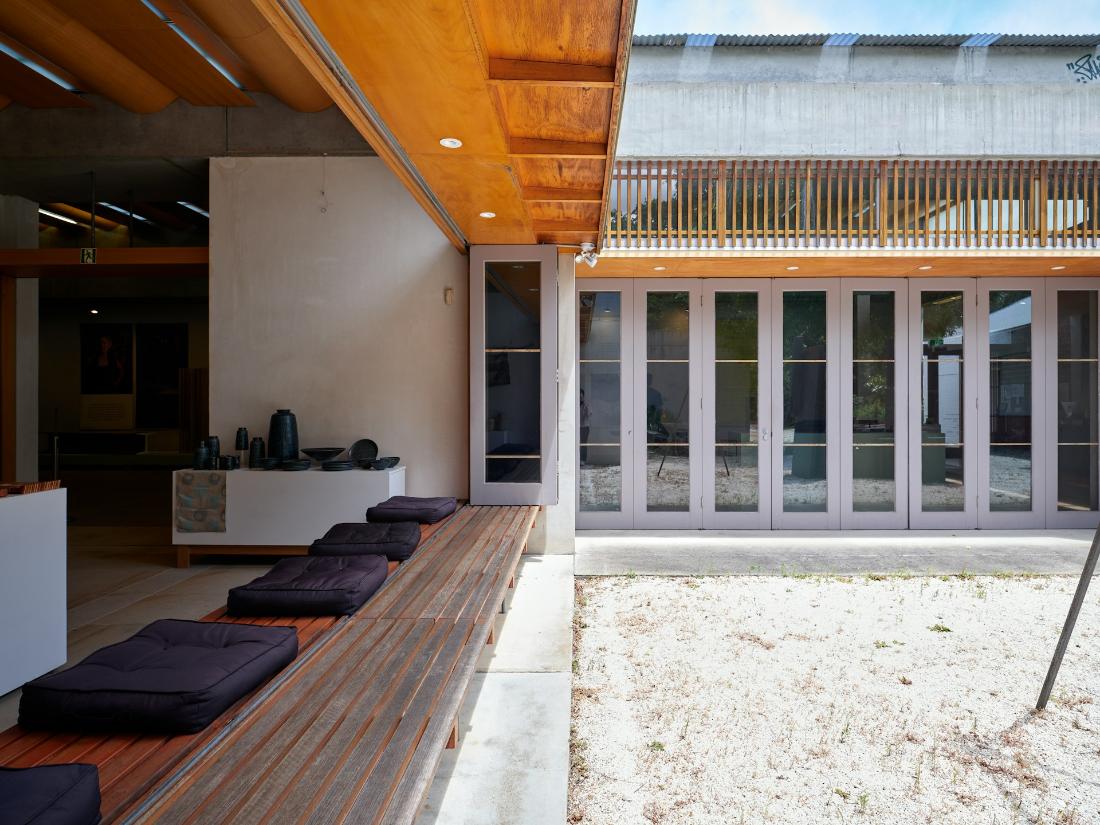
In the evolving landscape of Malaysian architecture and interior design, a quiet but significant transformation is taking place. The traditional building material showroom—once a functional but uninspiring space stacked with tile samples and timber swatches—is being reimagined as an immersive destination. These new spaces are not merely points of sale; they are galleries of possibility, laboratories of creativity, and community hubs where professionals and homeowners alike can touch, feel, and visualise the materials that will shape their spaces. Behind this transformation stands a specialised group of design and build professionals who understand that a building material showroom must be as thoughtfully crafted as the projects it serves to inspire.
The emergence of these design-led showrooms in Malaysia represents a fundamental shift in how materials are presented and selected. Rather than rows of static displays, contemporary showrooms are conceived as experiential journeys that guide visitors through carefully curated environments. The House of MML, Hafary's first Malaysian flagship showroom in Petaling Jaya, exemplifies this new paradigm . Positioned at a prominent central junction, the showroom's striking terracotta facade serves as a prelude to the carefully curated interior, setting expectations for a space that is more design destination than conventional supplier outlet . Inside, the layout tells a story through five thematic pillars, each designed to spark wonder and facilitate confident decision-making.
The Loft section demonstrates how thoughtful design choices can transform a home into a dream lifestyle, presenting materials within real-life settings rather than abstract displays . The Core functions as a dedicated material selection zone, showcasing a comprehensive range of MML's locally-made products alongside complementary imported tile collections. District 18 spotlights large-format tiles, allowing visitors to imagine how these expansive surfaces could transform feature walls and common areas into personal art galleries. The Hafary Bathroom zone explores luxury bathroom solutions, while BRU:HAUS offers designers an offsite space to experiment with different materials and make decisions that align with their project's purpose.
The emergence of these design-led showrooms in Malaysia represents a fundamental shift in how materials are presented and selected. Rather than rows of static displays, contemporary showrooms are conceived as experiential journeys that guide visitors through carefully curated environments. The House of MML, Hafary's first Malaysian flagship showroom in Petaling Jaya, exemplifies this new paradigm . Positioned at a prominent central junction, the showroom's striking terracotta facade serves as a prelude to the carefully curated interior, setting expectations for a space that is more design destination than conventional supplier outlet . Inside, the layout tells a story through five thematic pillars, each designed to spark wonder and facilitate confident decision-making.
The Loft section demonstrates how thoughtful design choices can transform a home into a dream lifestyle, presenting materials within real-life settings rather than abstract displays . The Core functions as a dedicated material selection zone, showcasing a comprehensive range of MML's locally-made products alongside complementary imported tile collections. District 18 spotlights large-format tiles, allowing visitors to imagine how these expansive surfaces could transform feature walls and common areas into personal art galleries. The Hafary Bathroom zone explores luxury bathroom solutions, while BRU:HAUS offers designers an offsite space to experiment with different materials and make decisions that align with their project's purpose.
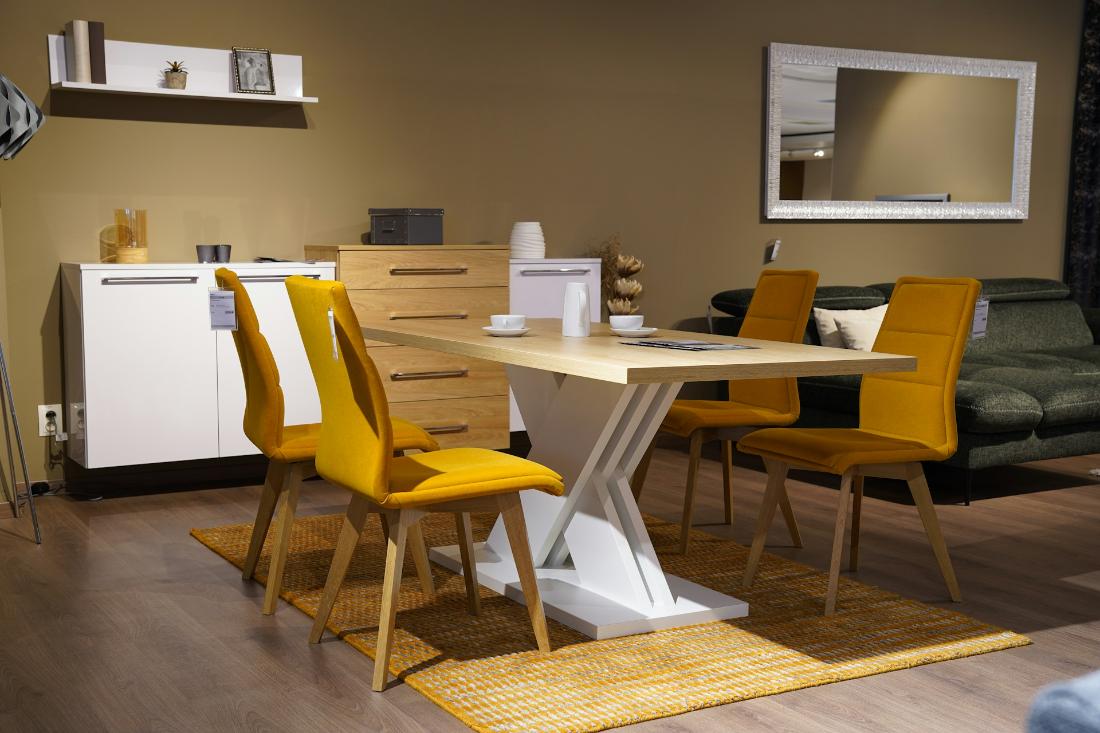
This immersive approach to material presentation is also evident at Lamitak's flagship showroom, located within TAK's new 30,000 square foot facility in Bandar Sunway . Spanning 5,000 square feet, the showroom invites visitors to explore large laminate panels and learn about material fundamentals in dedicated educational zones. An interactive scanner allows visitors to visualise how different finishes would look in real spaces—a hands-on tool that bridges the gap between imagination and informed selection. As Jansen Tan, Director of Product & Brand of Lamitak, explains, "It's more than just a building–we wanted a space that brings people together" . The facility includes a co-working corner that can be booked online, transforming the showroom from a passive display space into an active creative hub where designers can meet clients, contractors can browse materials, and homeowners can find renovation inspiration.
The design and build of such sophisticated showroom spaces requires contractors who understand both the technical requirements of construction and the experiential goals of retail design. Companies like Buildnberg Sdn Bhd have emerged as leaders in this niche, with founder LS Lim launching Material Forest in 2024—a revolutionary 3.5-story showroom for building materials and home solutions . More than just a display space, Material Forest functions as a collaborative environment where clients can experience cutting-edge innovations including smart home systems, home theatres, home elevators, galaxy ceilings, wardrobes, and kitchen cabinets. The showroom brings together designers, contractors, suppliers, and clients in a shared space where fresh ideas can emerge through interaction and exploration .
The philosophy behind Material Forest reflects a broader understanding of how showrooms must evolve. Rather than presenting materials in isolation, the space integrates them into fully realised applications, allowing visitors to experience not just individual products but the possibilities they unlock when combined thoughtfully. The showroom serves as a bridge between the digital and physical worlds of design, offering a tangible counterpoint to the virtual exploration that increasingly characterises the early stages of project planning. For architects and designers, this integration of material selection with experiential display provides a valuable resource for client presentations and design development.
The design and build of such sophisticated showroom spaces requires contractors who understand both the technical requirements of construction and the experiential goals of retail design. Companies like Buildnberg Sdn Bhd have emerged as leaders in this niche, with founder LS Lim launching Material Forest in 2024—a revolutionary 3.5-story showroom for building materials and home solutions . More than just a display space, Material Forest functions as a collaborative environment where clients can experience cutting-edge innovations including smart home systems, home theatres, home elevators, galaxy ceilings, wardrobes, and kitchen cabinets. The showroom brings together designers, contractors, suppliers, and clients in a shared space where fresh ideas can emerge through interaction and exploration .
The philosophy behind Material Forest reflects a broader understanding of how showrooms must evolve. Rather than presenting materials in isolation, the space integrates them into fully realised applications, allowing visitors to experience not just individual products but the possibilities they unlock when combined thoughtfully. The showroom serves as a bridge between the digital and physical worlds of design, offering a tangible counterpoint to the virtual exploration that increasingly characterises the early stages of project planning. For architects and designers, this integration of material selection with experiential display provides a valuable resource for client presentations and design development.
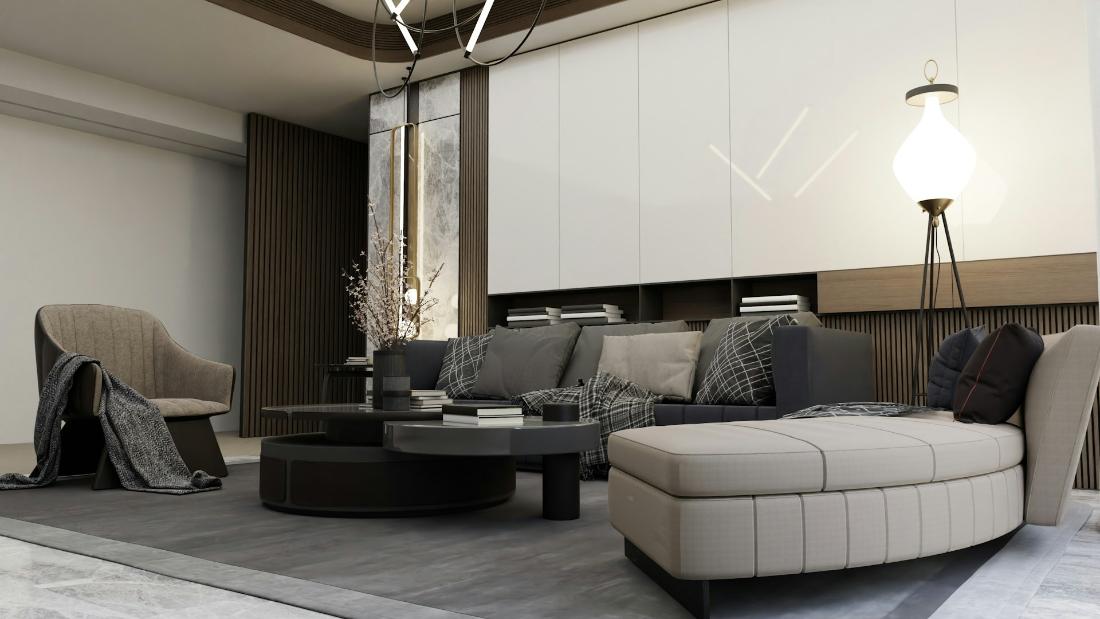
International brands have also recognised the importance of establishing a strong physical presence in Malaysia's design community. Cosentino Center Malaysia, located strategically in Kuala Lumpur, combines a showroom, warehouse, and distribution point in a functional and accessible environment . The space is designed specifically for architecture and construction professionals, featuring dedicated zones including a C·Bath Studio showcasing bathroom applications, a Live Kitchen for showcooking sessions, and an Atelier where customers can interact with various surfaces and blend them with materials from collaborating brands to create inspiration boards . A Digital Slab with 4K resolution provides a virtual catalogue of the complete material range, while the facility also hosts events, talks, and presentations for media and professionals specialising in architecture, design, and creativity .
The Cosentino model demonstrates how building material showrooms can serve as educational and networking hubs, offering specialised technical training for architects, designers, builders, and kitchen and bathroom studios . This commitment to professional development transforms the showroom from a passive display into an active contributor to the design community's growth and evolution. For contractors specialising in showroom design and build, this means creating spaces that are not only visually compelling but also technically equipped to host workshops, presentations, and collaborative work sessions.
The attention to material quality and presentation extends beyond dedicated building material showrooms to influence retail and commercial spaces more broadly. The BWL Kuala Lumpur showroom, designed by Bean Buro, spans nearly 8,000 square feet and merges retail, hospitality, and workplace elements under one coherent environment . The design employs a narrative of nature and wellbeing, using biophilic gestures, fluid forms, and soft colours to create a space that feels both restorative and contemporary. At the project's entrance, an exhibition-style turquoise metal mesh wall introduces visitors with a sense of lightness and transparency, acting as both a display and a visual landmark . The main retail area is anchored by a curvilinear stainless steel island beneath a bespoke wavy ceiling light, while mirrored floor inlays establish a dialogue of continuity throughout the space.
The Cosentino model demonstrates how building material showrooms can serve as educational and networking hubs, offering specialised technical training for architects, designers, builders, and kitchen and bathroom studios . This commitment to professional development transforms the showroom from a passive display into an active contributor to the design community's growth and evolution. For contractors specialising in showroom design and build, this means creating spaces that are not only visually compelling but also technically equipped to host workshops, presentations, and collaborative work sessions.
The attention to material quality and presentation extends beyond dedicated building material showrooms to influence retail and commercial spaces more broadly. The BWL Kuala Lumpur showroom, designed by Bean Buro, spans nearly 8,000 square feet and merges retail, hospitality, and workplace elements under one coherent environment . The design employs a narrative of nature and wellbeing, using biophilic gestures, fluid forms, and soft colours to create a space that feels both restorative and contemporary. At the project's entrance, an exhibition-style turquoise metal mesh wall introduces visitors with a sense of lightness and transparency, acting as both a display and a visual landmark . The main retail area is anchored by a curvilinear stainless steel island beneath a bespoke wavy ceiling light, while mirrored floor inlays establish a dialogue of continuity throughout the space.
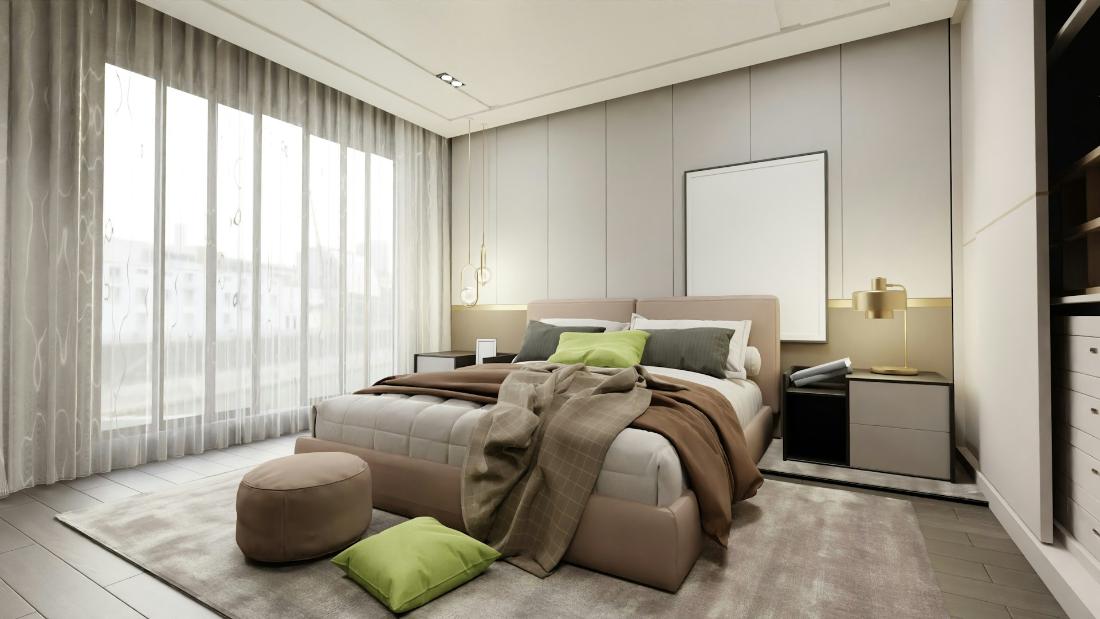
The palette for BWL Kuala Lumpur was conceived as a direct response to the concept of nature and wellness, with textured paint, timber, and polished metals interacting under soft lighting to form a tactile harmony . Coral tones inspired by desert landscapes accent social areas, while gentle blue-green hues reminiscent of aquatic flora define the reception and sales lounge. These chromatic nuances infuse the space with calm vitality, providing a visual metaphor for the brand's connection to natural rejuvenation . The visitor journey was designed as a seamless transition between public engagement and personal discovery, moving from lounge areas into product testing pods illuminated by circular LED mirrors .
Even global flagship retail spaces in Malaysia demonstrate the power of thoughtful material presentation. Apple Store The Exchange TRX, designed by Foster + Partners, features a layered glazed dome roof that shifts between square and circular geometries, emitting a soft glow at night . The three-dimensional roof, measuring 87 by 87 feet, responds to Malaysia's tropical climate with angled shading fins that regulate solar radiation. The interior is defined by natural stone walls, polished stainless-steel columns, light terrazzo flooring, and a timber ceiling . A sculptural staircase made of quartz and glass, along with a custom-designed glazed elevator, links the store's three levels, while layered landings establish multiple lines of sight throughout the space . While not a building material showroom per se, this project illustrates how the principles of material presentation—quality, clarity, and experiential flow—apply across retail typologies.
For contractors specialising in building material showroom design and build, several key considerations emerge from these exemplary projects. First is the importance of flexibility. Showrooms must accommodate changing product lines, seasonal displays, and evolving brand narratives. The use of modular display systems, adaptable lighting, and reconfigurable floor plans allows spaces to evolve without requiring complete reconstruction. Second is the integration of technology. Interactive displays, digital catalogues, and visualisation tools are no longer optional but essential for meeting customer expectations and facilitating confident material selection.
Even global flagship retail spaces in Malaysia demonstrate the power of thoughtful material presentation. Apple Store The Exchange TRX, designed by Foster + Partners, features a layered glazed dome roof that shifts between square and circular geometries, emitting a soft glow at night . The three-dimensional roof, measuring 87 by 87 feet, responds to Malaysia's tropical climate with angled shading fins that regulate solar radiation. The interior is defined by natural stone walls, polished stainless-steel columns, light terrazzo flooring, and a timber ceiling . A sculptural staircase made of quartz and glass, along with a custom-designed glazed elevator, links the store's three levels, while layered landings establish multiple lines of sight throughout the space . While not a building material showroom per se, this project illustrates how the principles of material presentation—quality, clarity, and experiential flow—apply across retail typologies.
For contractors specialising in building material showroom design and build, several key considerations emerge from these exemplary projects. First is the importance of flexibility. Showrooms must accommodate changing product lines, seasonal displays, and evolving brand narratives. The use of modular display systems, adaptable lighting, and reconfigurable floor plans allows spaces to evolve without requiring complete reconstruction. Second is the integration of technology. Interactive displays, digital catalogues, and visualisation tools are no longer optional but essential for meeting customer expectations and facilitating confident material selection.
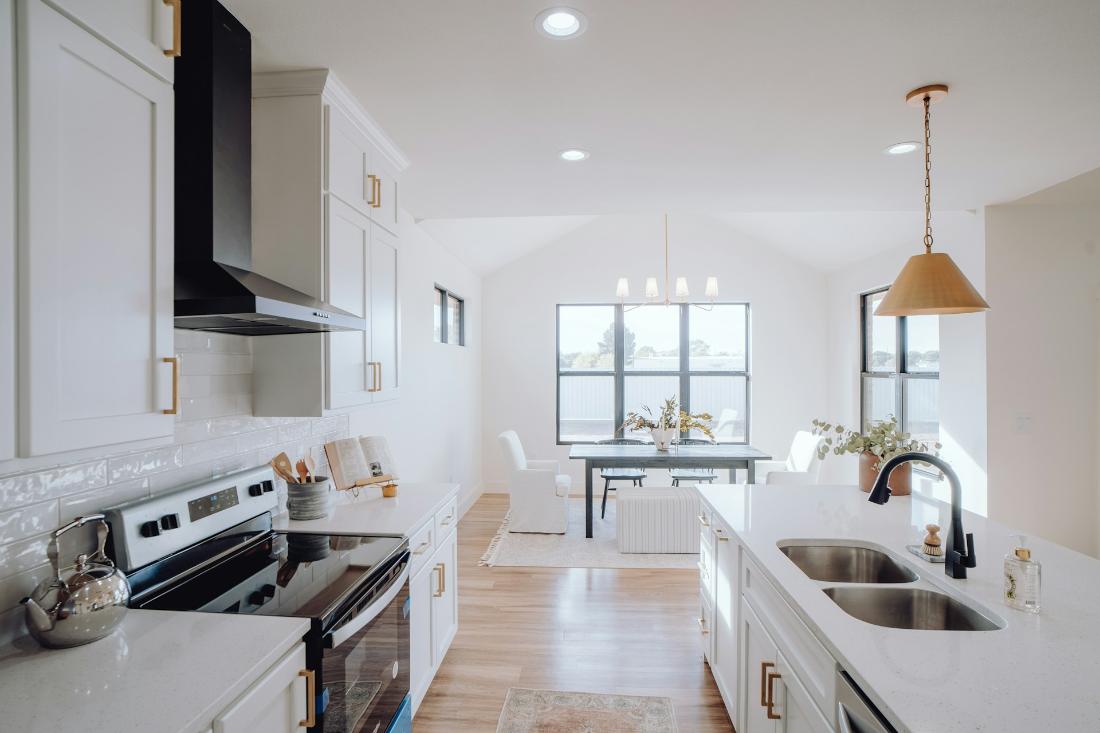
Third is the creation of distinct zones that serve different user needs. A successful showroom recognises that architects, interior designers, contractors, and homeowners all use the space differently. Providing areas for quiet contemplation alongside spaces for collaborative discussion, and technical specification alongside inspirational display, ensures the showroom serves its diverse audience effectively. Fourth is the careful calibration of lighting. Materials appear differently under different lighting conditions, and a well-designed showroom provides variable lighting scenarios that help visitors understand how products will perform in real-world settings.
Fifth is the integration of logistical and operational requirements. Many building material showrooms also function as distribution points, requiring careful planning for stock storage, loading areas, and customer pickup zones. The Cosentino Center model, which combines showroom, warehouse, and distribution functions, demonstrates how these operational needs can be integrated seamlessly into the customer experience .
The Living Depot, established in 2004 with over 18 years of experience, operates as a one-stop showroom and service outlet for DIY stores in Puchong and Bandar Baru Bangi . With approximately 70 employees and a centralised warehouse supporting sales growth and product range expansion, the company's ongoing commitment is to provide reasonable prices, quality products, and on-time delivery service . Their core values—Care, Convenience, Comfort, and Teamwork—reflect the customer-centric philosophy that underpins successful showroom operations .
The future of building material showroom design in Malaysia points toward even greater integration of experience and technology. Virtual reality showrooms that allow remote exploration of material options are likely to complement rather than replace physical spaces, with digital tools serving to narrow choices before an in-person visit for final selection. Sustainable design principles will increasingly influence showroom construction, with energy-efficient lighting, recycled materials, and waste-reduction strategies becoming standard. The most successful showrooms will be those that create genuine value for their users—not just as places to purchase materials, but as destinations for inspiration, education, and professional connection.
Fifth is the integration of logistical and operational requirements. Many building material showrooms also function as distribution points, requiring careful planning for stock storage, loading areas, and customer pickup zones. The Cosentino Center model, which combines showroom, warehouse, and distribution functions, demonstrates how these operational needs can be integrated seamlessly into the customer experience .
The Living Depot, established in 2004 with over 18 years of experience, operates as a one-stop showroom and service outlet for DIY stores in Puchong and Bandar Baru Bangi . With approximately 70 employees and a centralised warehouse supporting sales growth and product range expansion, the company's ongoing commitment is to provide reasonable prices, quality products, and on-time delivery service . Their core values—Care, Convenience, Comfort, and Teamwork—reflect the customer-centric philosophy that underpins successful showroom operations .
The future of building material showroom design in Malaysia points toward even greater integration of experience and technology. Virtual reality showrooms that allow remote exploration of material options are likely to complement rather than replace physical spaces, with digital tools serving to narrow choices before an in-person visit for final selection. Sustainable design principles will increasingly influence showroom construction, with energy-efficient lighting, recycled materials, and waste-reduction strategies becoming standard. The most successful showrooms will be those that create genuine value for their users—not just as places to purchase materials, but as destinations for inspiration, education, and professional connection.
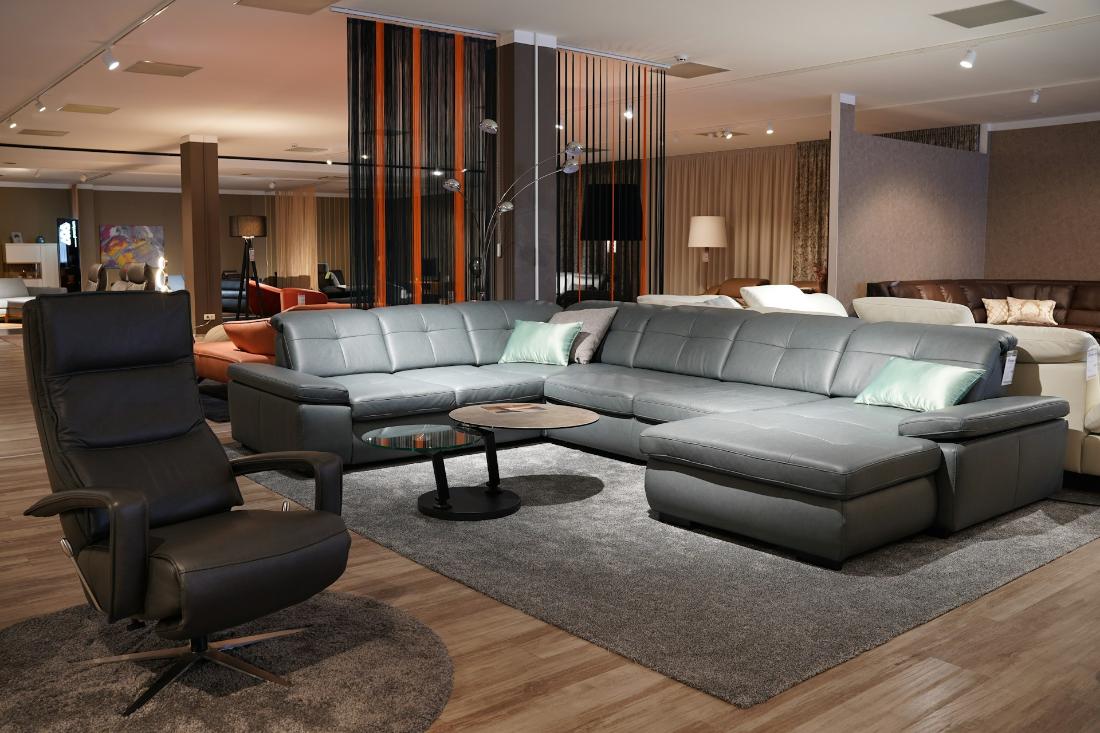
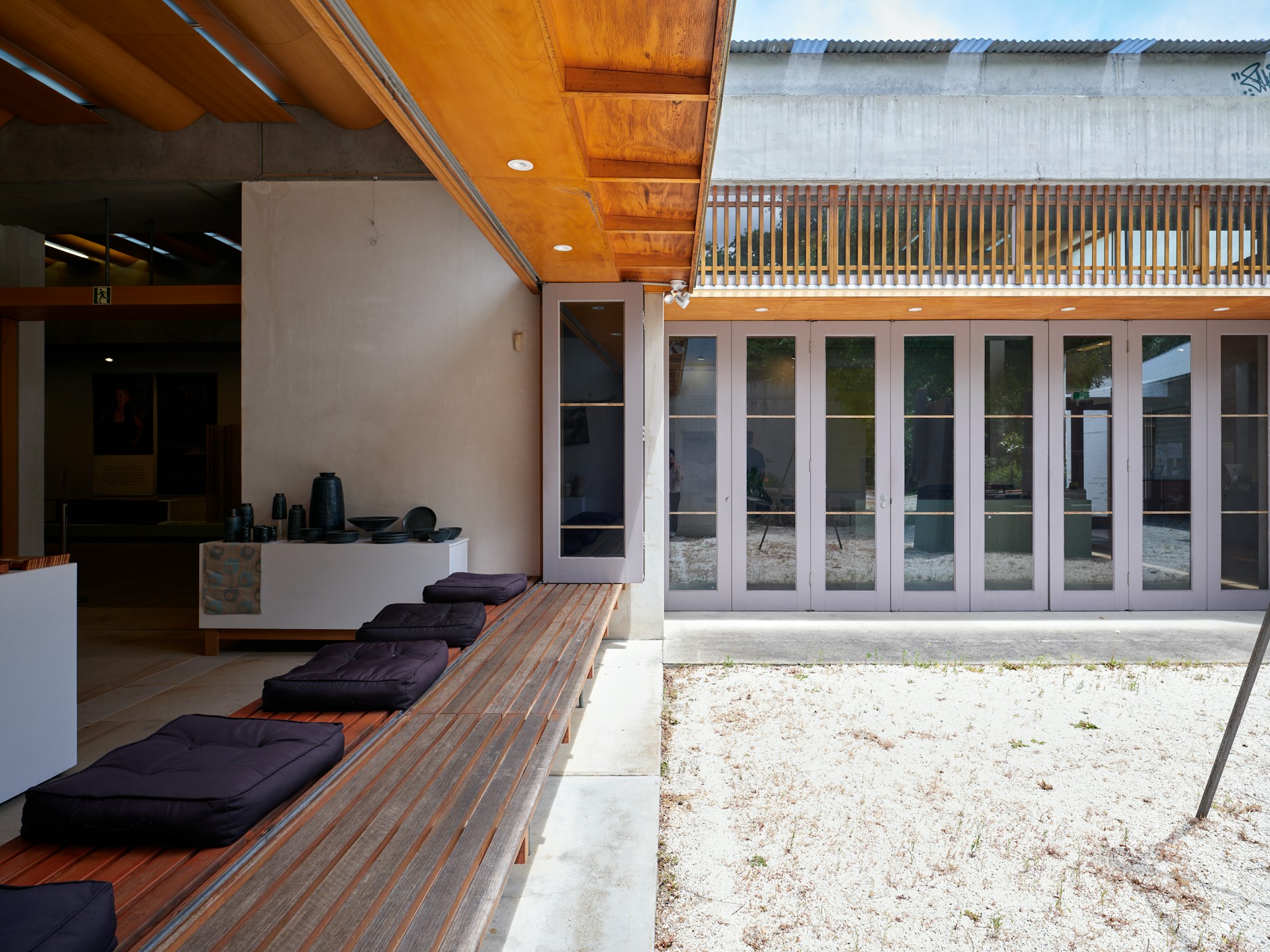
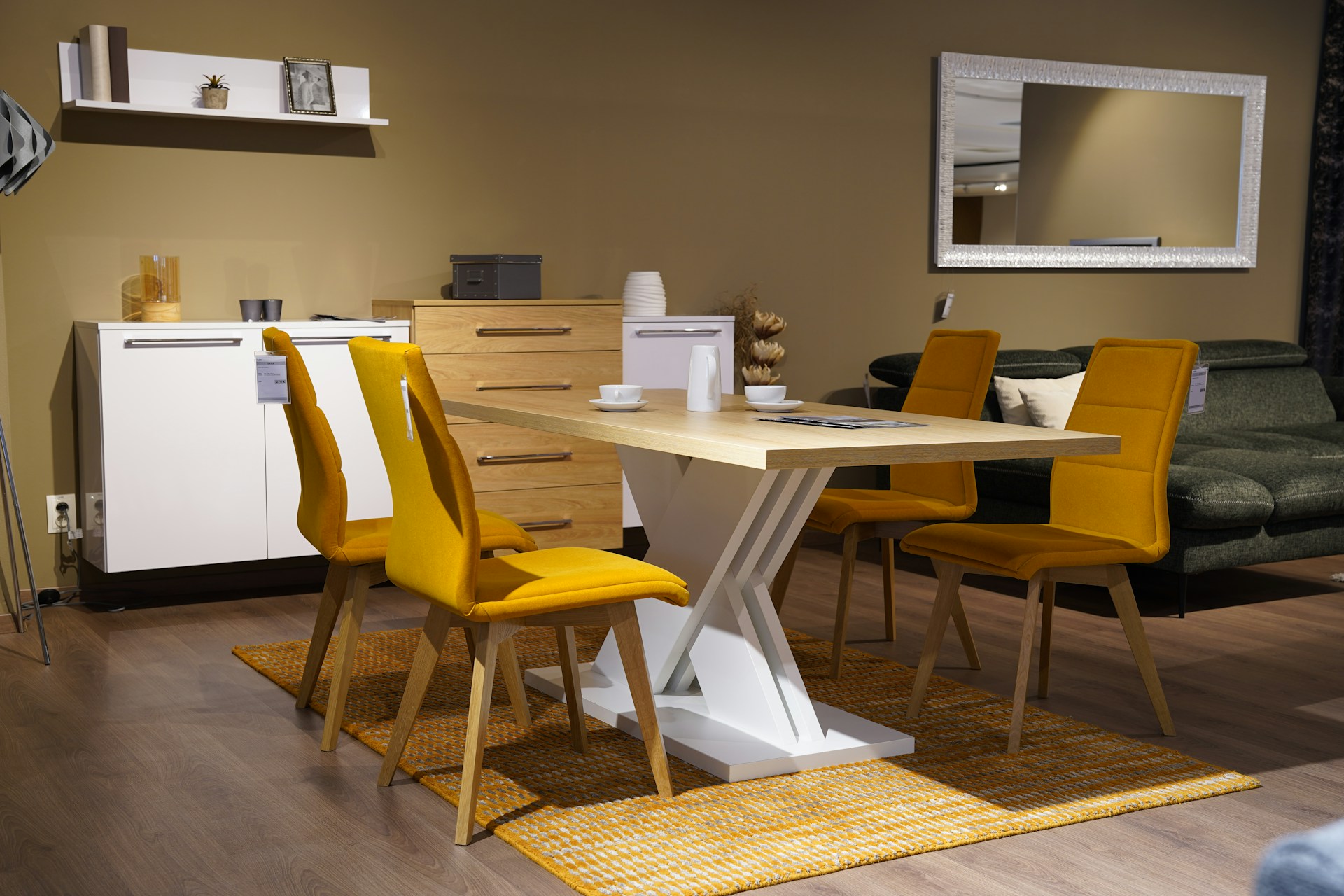
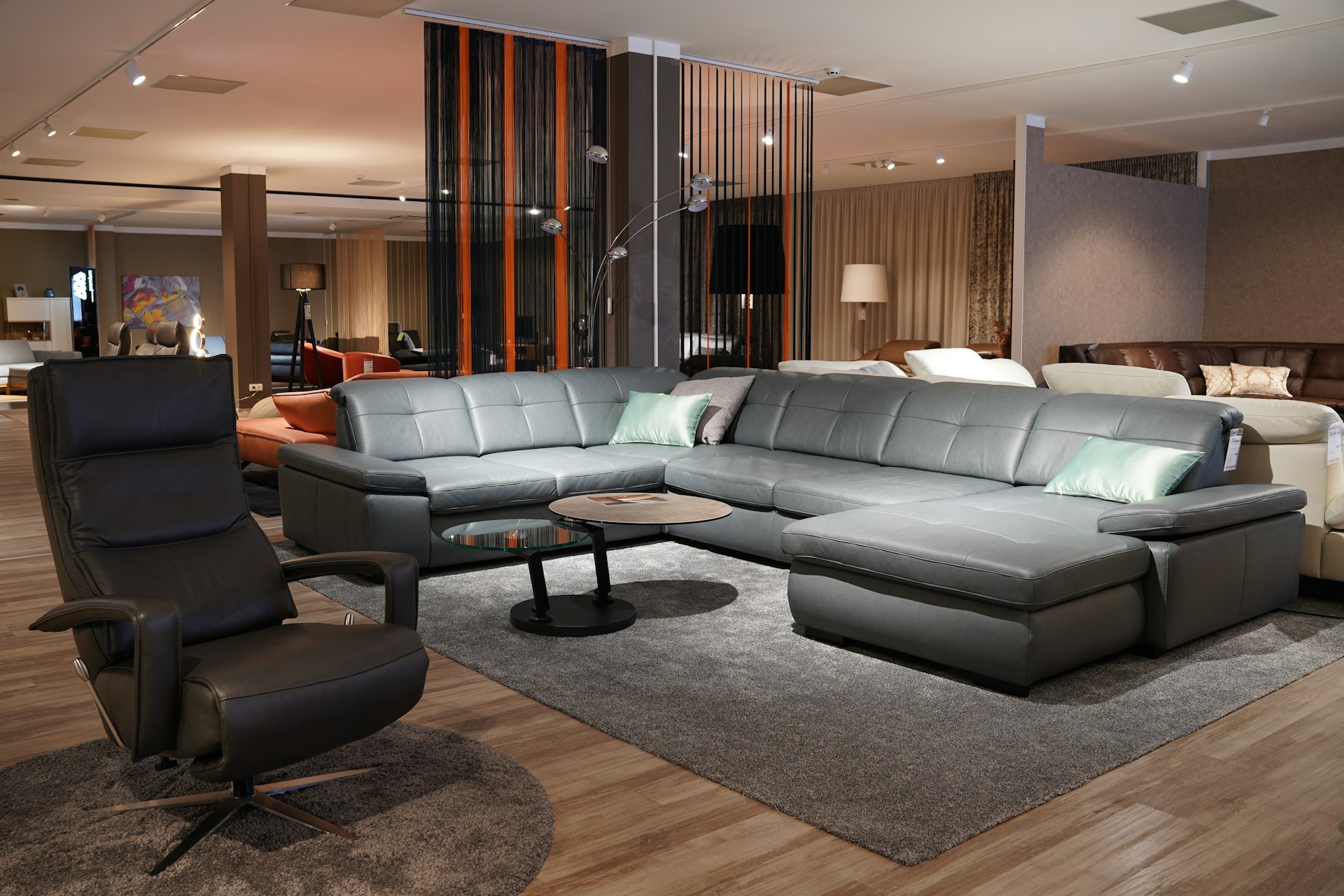
For contractors seeking to enter this specialised field, the key differentiator will be understanding that a building material showroom is fundamentally different from other retail or commercial spaces. Its primary purpose is to facilitate selection, and every design decision should support that goal. Surfaces must be durable enough to withstand constant handling. Displays must be accessible yet secure. Circulation paths must accommodate groups of professionals discussing options while also serving individual browsers. Lighting must be adjustable to demonstrate materials under different conditions. And the overall environment must inspire confidence, helping visitors move from uncertainty to informed decision.
The specialists who master these requirements will find themselves essential partners to the building material suppliers who recognise that in an increasingly digital world, the physical showroom remains irreplaceable. There is no substitute for seeing a material in person, feeling its texture, observing how it catches the light, and understanding how it will perform in the spaces where Malaysians live, work, and gather. The contractors who build these spaces are not just constructing buildings; they are creating the stages upon which design discovery unfolds, enabling the transformation of raw materials into the finished spaces that define Malaysian life.
The specialists who master these requirements will find themselves essential partners to the building material suppliers who recognise that in an increasingly digital world, the physical showroom remains irreplaceable. There is no substitute for seeing a material in person, feeling its texture, observing how it catches the light, and understanding how it will perform in the spaces where Malaysians live, work, and gather. The contractors who build these spaces are not just constructing buildings; they are creating the stages upon which design discovery unfolds, enabling the transformation of raw materials into the finished spaces that define Malaysian life.